Cattle have lived among people for thousands of years. Over the years, domesticated cattle underwent selective breeding to produce specialized cattle for specific purposes.
Today, there are many dissimilar cattle breeds with British origins. Our list volition cover some common breeds as well as some rare ones that are more difficult to find.
The nine Most Common British Cattle Breeds
United kingdom farmers and agriculturists have their set up of favorite cattle breeds that they commonly raise for beef or dairy. Just because they're common doesn't mean that they're not valuable. The following breeds take had long relationships with humans and continue to exist reliable resources to this day.
ane. Dexter
Prototype Credit: John Hill Millar, Shutterstock
Average Elevation:
35-45 inches
Average Weight:
700-900 pounds
Purpose:
Dual-purpose
The Dexter is a relatively pocket-sized cattle brood. They're usually born in i of three solid colors: black, cherry-red, or dun. Mature cows of the Dexter breed tend to have very motherly instincts, so they tend to milk well.
Dexters likewise produce delicious beefiness with loftier marbling and tender meat. They're besides an economical option for many farmers because they don't graze equally much equally larger cattle breeds. Dexters can as well accommodate to living in farthermost atmospheric condition. All these qualities make the Dexter an extremely versatile and prized cattle breed.
2. Belted Galloway
Epitome Credit: meunierd, Shutterstock
Boilerplate Height:
47-51 inches
Average Weight:
990-two,300 pounds
Purpose:
Beef, vegetation direction
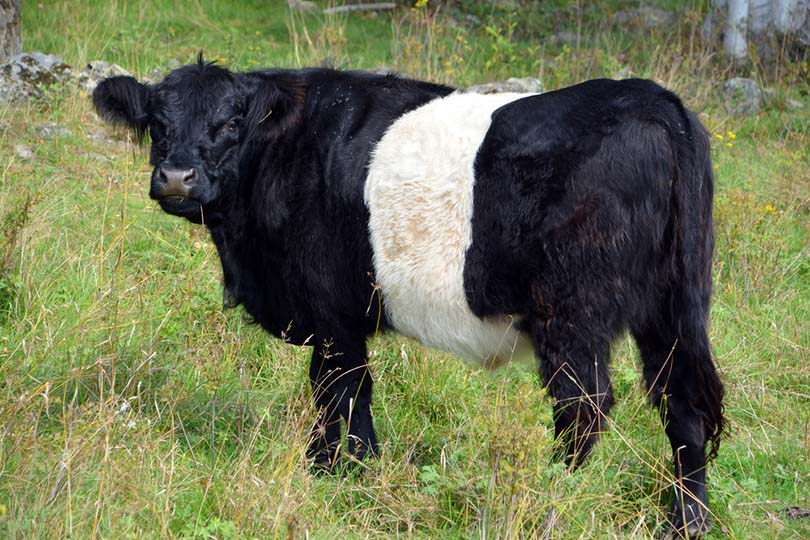
The Belted Galloway got its name from the distinct white belt that wraps effectually its abdomen. This cattle brood also has long coats and is naturally polled. Belted Galloways do well in cold climates considering of their thick, waterproof coats.
They mainly get harvested for beefiness. However, they as well help with vegetation direction to maintain healthy ecosystems and increase biodiversity.
3. Highland
Prototype Credit: RonBerg, Pixabay
Average Peak:
41-58 inches
Average Weight:
ane,100-1,800 pounds
Purpose:
Beef
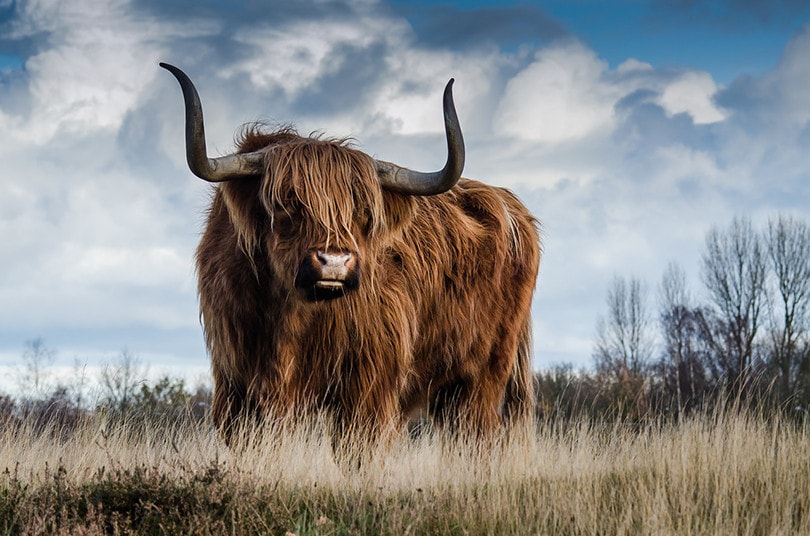
The Highland is a cattle breed with long horns and shaggy coats. They're extremely hardy and tin can fifty-fifty survive in arctic weather condition. Scottish Highlands originally provided beefiness and milk for people. However, they're now more commonly used for harvesting beefiness.
Highland beef is leaner than other cow meat. They produce bacteria meat because they rely on their shaggy coats for insulation and warmth rather than fat. Highland beefiness rose to popularity because it's lower in cholesterol.
4. Sussex
Image Credit: Dmitry Naumov, Shutterstock
Boilerplate Tiptop:
53-57 inches
Average Weight:
1,300-2,200 pounds
Purpose:
Beef
Sussex cattle are an ancient brood with records that trace back to 1066. They're red cattle and typically have brusque, smooth coats. Nevertheless, when they live in colder climates, they can abound longer, curly hair.
This cattle breed originally worked as draught cattle that plowed fields and hauled heavy loads. Today, they're more unremarkably raised for their beef. Sussex beef has high marbling and is very tender when anile properly.
5. Guernsey
Average Height:
52-57 inches
Average Weight:
990-1,550 pounds
Purpose:
Dairy
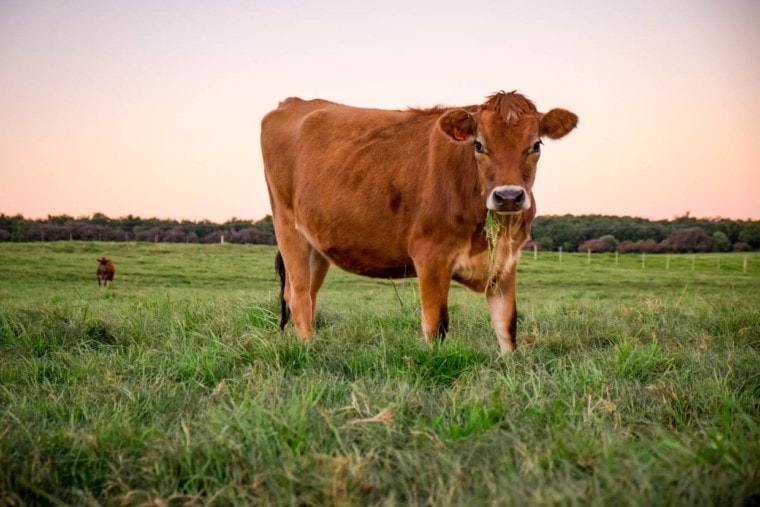
Guernseys were originally draught cattle. However, these cream and fawn-colored cows eventually became staple dairy producers. Guernsey milk is very rich and flavorful, and i moo-cow can produce nigh 1,700 gallons of milk per yr.
Guernseys besides accept quiet and affectionate personalities. They graze easily, so many Guernsey owners love this breed, and they're corking for beginner cow farmers.
6. Welsh Black
Boilerplate Peak:
55-60 inches
Average Weight:
1,320-i,750 pounds
Purpose:
Dual-purpose
Welsh Blacks used to exist prized possessions, and they keep to be a favorite amidst cattle farmers today. They produce both delicious beef and milk, and they're also practiced for vegetation direction.
This cattle breed has short, black coats in the summertime and grows longer coats for the winter. Most of them take horns, merely some are naturally polled.
7. Ruddy Poll
Image Credit: Alan Goodwin Photo, Shutterstock
Average Height:
50-sixty inches
Average Weight:
1,200-ane,800 pounds
Purpose:
Dual-purpose
Cherry Polls are naturally polled and they have carmine to deep red coats. They're very adaptable and piece of cake to handle, so a lot of beginner farmers will commencement with Red Polls.
Red Polls can produce a good corporeality of milk per year, but they're more than usually raised for harvesting beef as they produce delicious, high-quality beef.
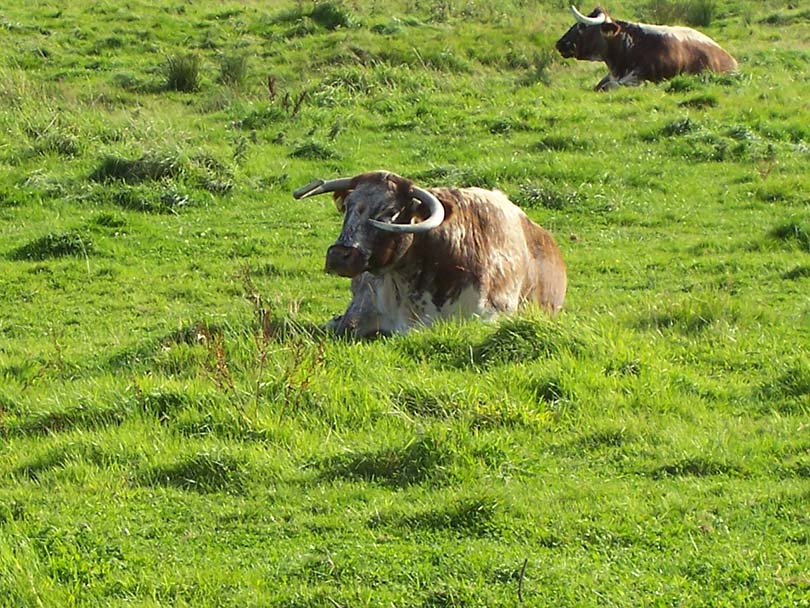
viii. English Longhorn
Paradigm Credit: PollyDot, Pixabay
Average Peak:
51-threescore inches
Average Weight:
1,100-ii,200 pounds
Purpose:
Dual-purpose
The English Longhorn balderdash has a very lengthy and curled set of horns. This cattle breed has chocolate-brown and white coats and has a longer average lifespan than other cattle breeds.
English Longhorns accept a stocky build, which made them great draught cattle. Nevertheless, they're now used as dual-purpose cattle. They produce milk with high butterfat content and lean beef.
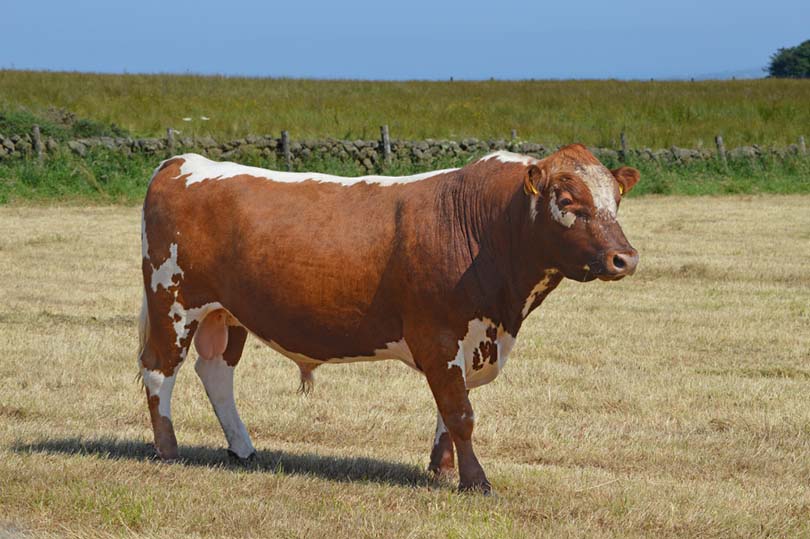
9. Ayrshire
Image Credit: R-Mac Photography, Shutterstock
Average Height:
l-53 inches
Average Weight:
one,000-1,300 pounds
Purpose:
Dairy
Ayrshires are efficient grazers that produce milk suitable for butter and cheese. They have reddish and white spots and take horns, but these horns often become removed for safety reasons.
This cattle breed is often friendly, but some Ayrshires can have a stubborn streak. Bulls tin can become aggressive in the breeding season, so it's important to stay alert when working with mature Ayrshires during this fourth dimension.
Rare British Cattle Breeds
Several native British cattle breeds started to experience a decline in their population afterward the introduction of other commercial cattle breeds and crossbreeding. The Rare Breeds Survival Trust works to bring up these rare breeds' population numbers and has a Cattle Watch Listing that currently contains 14 native British breeds.
10. Albion
Albions have unique bluish and white coats. This cattle brood e'er had a relatively small population size. Notwithstanding, after a foot and mouth outbreak in 1923, this cattle breed about went into extinction as people slaughtered many cattle in guild to preclude the outbreak from spreading.
A 2002 survey recorded 95 Albions. Conservation and restoration efforts go on to take place today.
11. Chillingham Wild Cattle
Chillingham Wild Cattle have shaggy white coats and long horns that curve upwardly. This cattle breed is feral and they accept unpredictable temperaments. You lot can visit them on a guided tour through Chillingham Park.
Chillingham Wild Cattle play a strong function in Chillingham Park'due south ecosystem. Their grazing maintains the lands and keeps them from condign woodlands.
Northern Dairy Shorthorns were originally dual-purpose cattle, and they used to exist common up until the belatedly 1940s. This cattle breed competed with the Friesian Holstein and lost popularity and numbers connected to dip into the 1960s.
This cattle brood has become so rare that embryo transfer projects started taking identify in 2015, and scientists implanted Northern Dairy Shorthorn embryos into surrogate mothers.
13. Vaynol
The Vaynol is i of the rarest British cattle breeds and only has about 150 registered cattle. Nearly Vaynols are white, but some can as well exist completely blackness. They're semi-feral and there are currently merely three known herds in the U.k..
This cattle breed is small in size and matures slowly. However, they're very hardy, and conservationists accept a hopeful outlook on keeping this breed effectually for time to come years to come up.
14. Aberdeen Angus
Prototype Credit: Claire2003, Pixabay
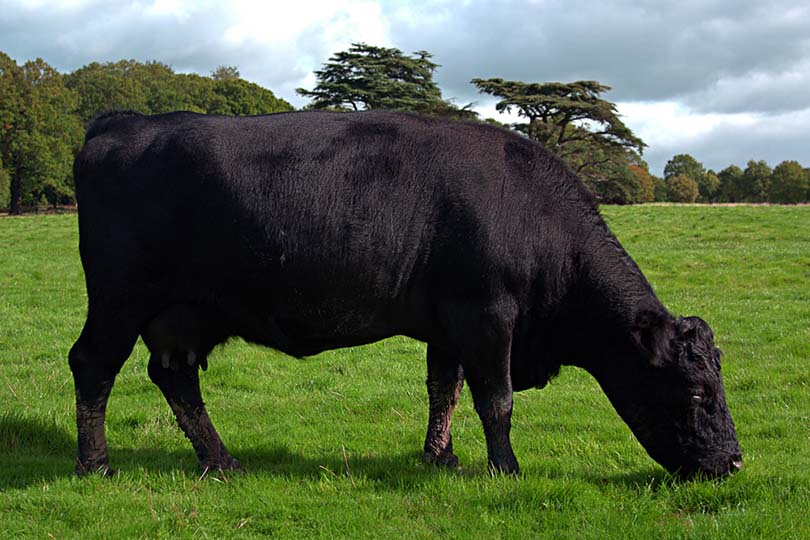
The Aberdeen Angus is a modest, stocky breed with short legs. They're mostly black and are naturally polled. There are currently less than 250 registered breeding cows left.
These cows are good-natured and docile. They too oft produce premium-grade beef. At that place are many crossbred Angus cattle, but the purebred Aberdeen Angus remains a rarity to this day.
fifteen. Whitebred Shorthorn
Image Credit: Andrew Roland, Shutterstock
The Whitebred Shorthorn is a separate breed from other Shorthorns. They take cream-colored or white coats and bright optics. This cattle breed has a docile temperament and used to be pop considering of its hardiness.
The eventual introduction of continental cattle breeds diminished the Whitebred Shorthorn's popularity, and their population declined over the years. Pure Whitebred Shorthorns are rare, but they're oft used in crossbreeding to produce Blue Grays and Cross Highlanders.
sixteen. Lincoln Blood-red
At that place are several mutual crossbreeds of Lincoln Reds, but purebred Lincoln Reds are extremely rare.
This cattle brood is very versatile and low-maintenance. They're not picky about grazing and have friendly temperaments. They can as well produce a high volume of milk. Therefore, Lincoln Ruby-red enthusiasts and breeders highly value this breed and are working to restore it to its once-popular status.
17. Gloucester
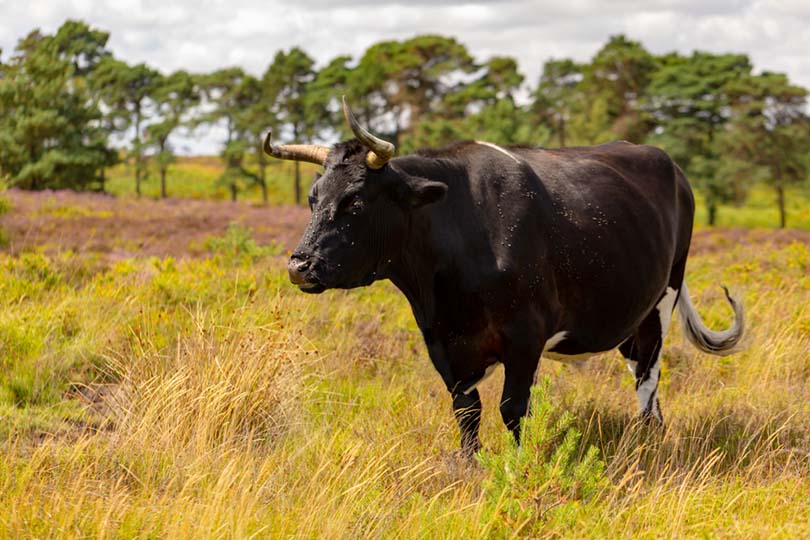
Gloucesters are black or night dark-brown cows with a white stripe running down their backs. This brood had multiple purposes, and people prized them as draught cattle and for their meat and milk.
The population of this breed declined due to the introduction of other breeds and intensive farming. By 1972, only one herd remained in existence. Today, conservation efforts have increased the Gloucester population to 700 recorded cows.
18. Shetland
Image Credit: Jordon Sharp, Shutterstock
Shetland cattle originally served the purpose of aiding crofters and producing milk. However, equally crofting declined, the need for Shetlands besides declined. By the 1950s, only most 40 purebred Shetlands remained.
However, the population size increased over the years. Although they're still rare, many Shetlands at present participate in vegetation management projects.
Shetlands can be black or blackness and white. Yet, at that place are some rare colors too, including red, dun, gray, brown, and brindle. They have a strong ready of horns that bend upward.
19. White Park
Image Credit: wernerdetjen, Pixabay
Many cattle experts believe that the White Park is the oldest cattle breed in the British Isles. These hardy cows are commonly white with long blackness horns that curve upwards.
This breed does well in conservation grazing and vegetation management because they tin eat almost annihilation, including fibroid forage.
White Park population numbers continue to increment and there are currently nigh 950 breeding cows.
twenty. Irish Moiled
The Irish Moiled is docile and naturally polled, and they were originally dual-purpose cattle. They have red or roan bodies mixed with white patches and spots.
Irish gaelic Moilies often lived on modest farms all throughout Ireland, but their population began to decline every bit more than specialty cows got introduced. By the 1970s, only thirty cows and 2 bulls survived. The brood was revived in the 1980s, but conservation efforts go along to grow the population size. They are now slowly becoming more plentiful in both Ireland and across the UK.
21. Traditional Hereford
Traditional Herefords have white faces with cherry bodies and white stripes and relatively brusk legs. In the 20th century, Traditional Herefords became a popular export to other countries, including the United states of america, Canada, Australia, New Zealand, and Due south Africa.
Every bit the exported Herefords began to change, these newer Herefords started to exist imported to the UK. These imported Herefords eventually became more pop than the domestic Herefords, and Traditional Herefords started to feel a reject in their population.
22. British White
Epitome Credit: _Cowen Duggar, Shutterstock
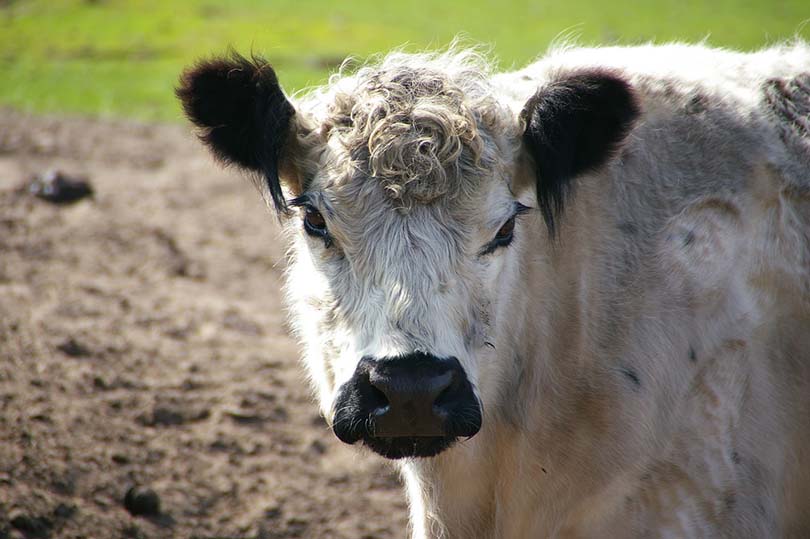
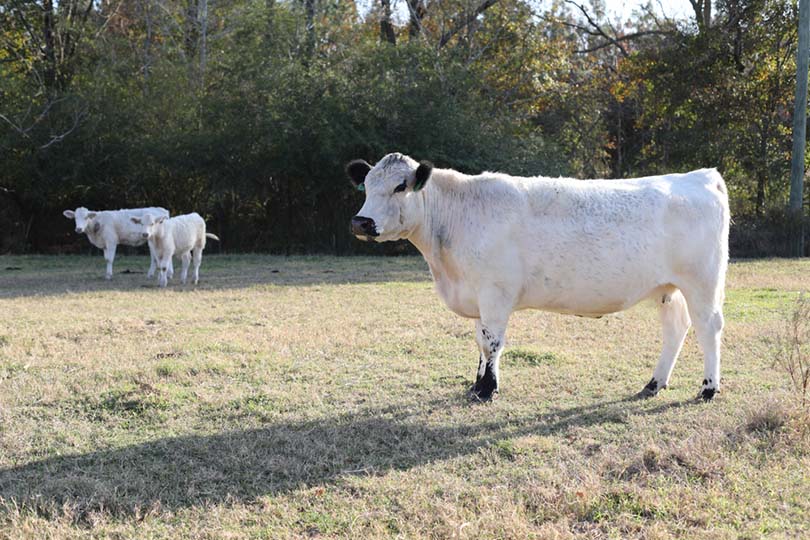
British Whites are very stocky and hardy and are naturally polled. They're typically white all over with tufts of longer fur on top of their heads. This cattle breed tin can survive cold winters, only they're also very heat tolerant.
In the early 20th century, this breed but had about 130 registered bulls and cows. However, conservation efforts increased the population to the upper thousands. The British White used to live exclusively in the British Isles, but significant herds now too live in Australia and the US.
Conclusion
Unlike cattle breeds have helped humans in diverse and invaluable means. With more 250 recognized cattle breeds worldwide, it can be a challenge preserving the lineages of purebred British cattle breeds.
Keeping this in mind, many conservationists and breeders work hard to brand sure that these breeds stay in beingness so that hereafter generations can continue to larn and capeesh these amazing cattle breeds.
Next on your reading list: Gloucester Cattle Breed
Featured Epitome Credit: Cameron Watson, Shutterstock





Postar um comentário for "Scottish Highland Cow Shorthorn Beef Cattle"